
What is a tax scam?
A tax scam is when fraudsters pose as government agencies like the ATO or myGov to steal money or sensitive personal information. They’ll send messages that look like official correspondence from a government agency, which can include the victim’s name and contact information.
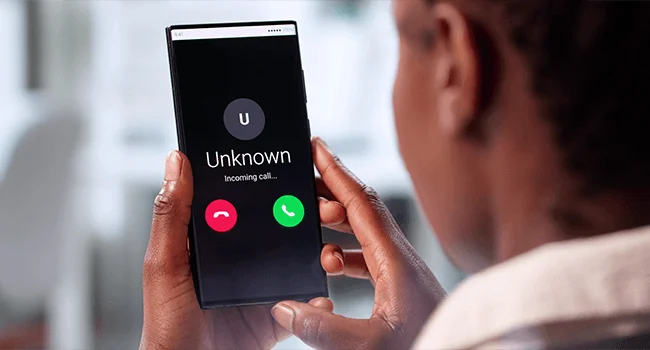
Fraudsters may send out emails, text messages, or they could cold call individuals. Some may create social media pages that resemble official Government pages and reach out to victims there.
Tax scams typically involve the use of urgency to make people act without thinking or double-checking the authenticity of the message. Scammers use threats of arrest or legal actions, demands to pay back non-existent tax debt and pressure you into giving money or sensitive personal information. Scammers may also promise a sizable tax refund to trick people into sharing personal information.
What are common examples of tax scams?
Tax scams vary in messaging and method, but they do follow common patterns. If you familiarise yourself with the more popular types of tax scams, you could easily spot the fakes.
Fake ATO messages
Most ATO scam messages will urge the reader to click a link that will supposedly lead to your myGov inbox. This is a type of phishing attack to trick people into logging in to a fake website so scammers can steal their credentials.
This type of scam runs year-round but can become more prevalent during tax season. If you receive a message asking you to log in through an attached link, do not click it. Always log in directly through the official ATO website or app.
Remember, unless you have verified the source, never share your personal or financial information over text, email, or on the phone, especially when it’s an unsolicited correspondence.
Fake tax debt or tax refunds
Tax scams also come in the form of threatening tax debt notices or enticing tax refund offers. You’ll suddenly get an email or SMS informing you about your debt or refund with instructions on what to do next.
In a fake tax debt scam, the fraudster will claim that you have outstanding tax debts that must be paid immediately or you’ll be arrested or have legal action taken against you. In these cases, the scammer is counting on you being too afraid to question these threats and settle them immediately, usually by sending money to an unknown account.
The fake tax refund scam, on the other hand, is about enticing you to claim your tax refund or a bonus. These messages promise a significant sum, and all you have to do is click a link and input your details. The goal of the message is to steal your tax or banking information.
Whenever you receive these types of texts, no matter how threatening or enticing they seem, it’s best to pause and confirm their authenticity. Check the official ATO website or app or speak with an ATO representative to verify any claims of tax debt or tax refund.
Fake tax advice or tax alert scams
Doing your taxes is complicated, and scammers take advantage of this by posing as the ATO or official ATO representatives on social media offering help with tax and super-related queries.
It is highly unlikely that the ATO official social media account or official ATO representatives would personally offer you help with your taxes without prompting. Avoid engaging with these accounts. When you receive messages like these, it’s best to ignore and block them.
You may also receive fake tax alerts from the accounting software you use to manage your finances. Watch out for alerts claiming that your account has been compromised and needs verification by clicking the link attached. If you want to check your account, always go directly to the platform itself and don’t click any links.
How to protect yourself from tax scams
Knowledge is power when it comes to tax scams. Knowing what they are and what they look like can help you identify them easily when they find their way into your inbox. Here are additional red flags you need to watch out for:
- Message has links attached. The ATO and banks won’t send an email or text message containing links asking you to click on them. If you do receive a message like that, don’t click the link.
- The tone of the message is urgent and threatening. Official correspondence from government agencies or financial institutions should not sound threatening or instruct you to act quickly or else.
- Contains poor grammar and spelling errors. If an email or text message is littered with bad spelling and grammar, it’s likely a scam attempt.
- Comes from an unrecognised email address or phone number. Government agencies and financial institutions will have their contact information publicly available. If the number or email address contacting you does not match the official ones, then it’s likely a scammer.
If you think you’ve been contacted by a tax scammer, report them to the ATO by emailing ReportScams@ato.gov.au. For those who have paid money or shared sensitive information with a scammer, report it by calling 1800 008 540.